Choosing the right type of steel structure for your building project isn’t always straightforward, as there are many options to consider. Whether you’re planning a new warehouse, workshop, or agricultural unit, the structure you use will depend on your project needs and will affect everything from cost to layout.
That’s where understanding the different types of steel buildings and their uses becomes important. Modern steel structures are known for being durable, quick to install, and adaptable, but not all designs are suited to every project.
In this guide, we’ll break down the main types of steel buildings, explain where each works best, and help you decide which option fits your needs.
What Are the Different Types of Steel Buildings?
The main types of steel buildings include agricultural, industrial, commercial, and storage facilities, along with structural options such as portal frames and clear-span designs. These steel frame structures can also be categorised by construction method, such as pre-engineered or modular systems, depending on how the building is manufactured and installed.
Types of Steel Buildings Based on Their Use
Steel Agricultural Buildings
Agricultural buildings are designed for demanding environments where durability matters. They’re commonly used for:
- Livestock housing
- machinery storage facilities
- grain or feed storage
steel buildings are built to handle daily wear and weather exposure, using robust building materials that ensure long-term use without constant maintenance.
Steel Industrial Buildings
Steel buildings can be built for heavy-duty operations and large-scale use, making them a perfect option for the industrial sector. These types of steel framing systems are often used in large construction projects where strength and reliability are essential.
Typical applications in the industrial sector include:
- Manufacturing facilities
- Production units
- Processing plants
For larger operations, industrial steel buildings offer the strength and flexibility needed to support machinery and high workloads, particularly when using high-quality structural steel components.
Commercial Steel Buildings
A steel building can focus more on layout, accessibility, and customer-facing spaces, making them perfect for commercial use. These steel buildings are often designed using flexible steel framing systems, allowing layouts to be adapted as business needs change.
These steel buildings are used for:
- Rental Units
- Offices
- Showrooms
- Customer-facing spaces
Our steel buildings can be adapted as businesses grow or change, which is why people choose Springfield Steel Buildings for their commercial steel building needs.
Workshop and Garage Buildings
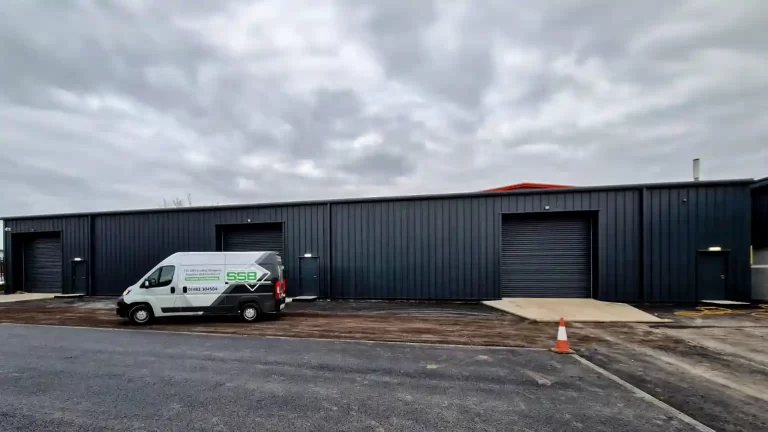
Steel workshop buildings are versatile, making them a perfect choice for smaller businesses. These types of steel buildings are commonly used in trade environments where durability and practicality are key.
They’re ideal for:
- Mechanic workshops
- Fabrication work
- Trade Businesses
If your business requires a practical workspace, a purpose-built workshop building can be tailored to your exact requirements.
Storage and Specialist Buildings
Steel-framed structures are widely used for more specialised applications, showing their versatility in supporting a wide range of sectors. These steel structures are often used in projects where durability and large internal space are required.
These include:
- Steel storage buildings for goods and equipment
- Steel aircraft hangars with wide open, larger spans
- Steel waste compaction buildings for industrial waste handling
- Steel valet buildings for automotive services
Each steel building can be designed with a specific use in mind, ensuring performance and long-term efficiency.
Types of Steel Construction Explained
Another important factor is how the steel structure is actually made, which can affect cost, speed, and flexibility. Across the wider construction industry, different approaches are used depending on the size, complexity, and purpose of the project. The chosen construction method will influence how quickly the building can be installed and how efficiently materials are used on-site.
Understanding these types of steel building construction will help you choose the right solution before anything even reaches the construction site.
Pre-Engineered Steel Buildings
Pre-engineered metal buildings are manufactured and fabricated off-site and delivered ready to assemble. They are a popular option as they reduce installation time, lower labour costs, and have been proven to provide consistent quality.
These steel buildings are constructed using carefully selected building materials, ensuring strength and durability while keeping weight and costs manageable. This approach is widely used across modern construction projects where efficiency is a priority.
Many modern prefabricated steel buildings follow this approach, making them a practical option for most steel building projects.
Modular Steel Buildings
Steel modular buildings are constructed in sections, then delivered and assembled on-site. They can work well in scenarios where access to the site is restricted, speed is important, or a phased build is required.
Modular steel structures rely on efficient steel framing systems, allowing sections to be produced off-site and installed quickly without compromising structural integrity.
Conventional Steel Frame Construction
Conventional steel-frame construction is the practice of building the steel structure entirely on-site. It’s often chosen for complex or bespoke designs and is commonly used for large-scale custom projects.
This method relies heavily on structural steel and on-site assembly, making it suitable for projects where flexibility and precision are required.
Structural Differences of Steel Frame Buildings
The structural design can play a significant role in steel construction, dictating how a building performs for you and your business on a day-to-day basis. The way a steel frame structure is designed will influence strength, layout, and long-term usability.
Portal Frame Buildings
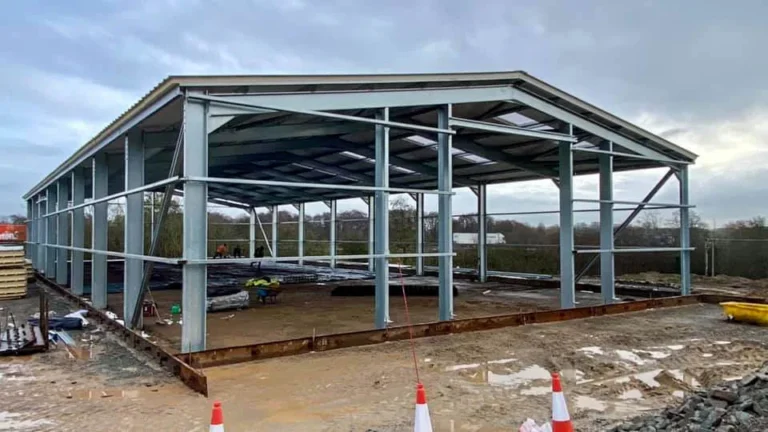
Portal frame steel buildings are among the most widely used steel building types in the UK, thanks to their open internal spaces, strong load-bearing capacity, and cost efficiency. This makes them suitable for agricultural, industrial, and commercial use.
Clear Span Buildings
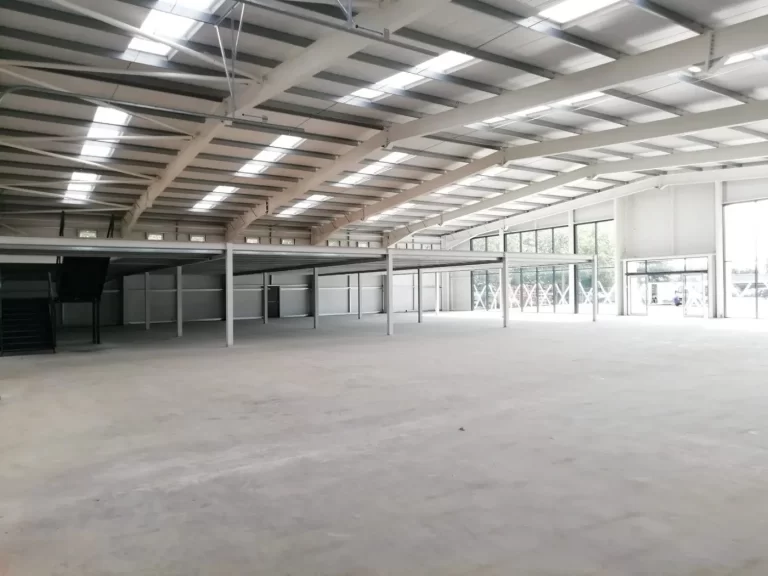
Clear-span buildings don’t require internal columns, providing uninterrupted floor space when needed. Floor space is a particularly important consideration for steel warehouse buildings, aircraft hangars and large workshops.
If your project needs flexibility inside the building, then this is often the best option.
Multi-Span Buildings
Multi-span steel buildings include internal columns to support wider spans, which are perfect if you require a very large building and need to balance budget with size.
This design can reduce costs compared to clear span options for larger steel buildings.
Which Type of Steel Building Is Right For Your Project?
This is the question most people are really trying to answer when starting a steel building project. Here’s a simple way to think about it:
Building Type | Best For | Key Advantage |
Agricultural | Farm and Storage | Durable and low maintenance |
Industrial | Manufacturing | Handles Heavy Use |
Commercial | Retail Spaces and Office Buildings | Flexible Layouts |
Workshop | Trades and Small Businesses | Cost-effective and Practical |
Clear SPan | Warehousing | No Internal Columns |
Portal Frame | General Use | Affordable and Versatile |
No matter your needs and requirements, Springfield Steel Buildings can supply a steel building that’s perfect for you. Get in touch today to receive a free, no-obligation quote.
Choose The Right Steel Building Type for You
If you’re comparing different types of steel buildings and want to see what’s possible for your project, it helps to look at real options and tailored designs. Steel buildings are known for their cost-effectiveness and quick construction, making them the perfect option for any application.
At Springfield Steel Buildings, you can explore a wide range of solutions from workshops and storage units to large-scale industrial buildings, all designed around your requirements.
Not sure which building is right for you? Get tailored advice and compare options based on exact specifications by filling out our quote form and getting in touch today.