If your building feels full but there is still unused height above your head, moving premises might not be the only answer. Many warehouses, workshops, factories and commercial units have more usable space than the business realises.
This is where a mezzanine floor shows its value.
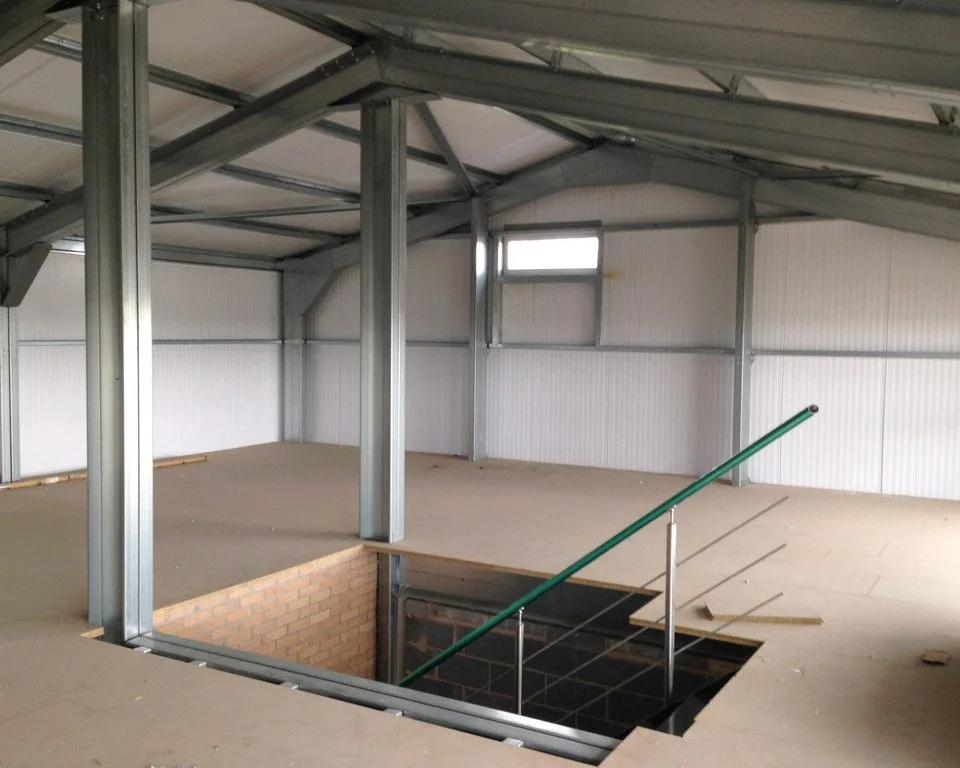
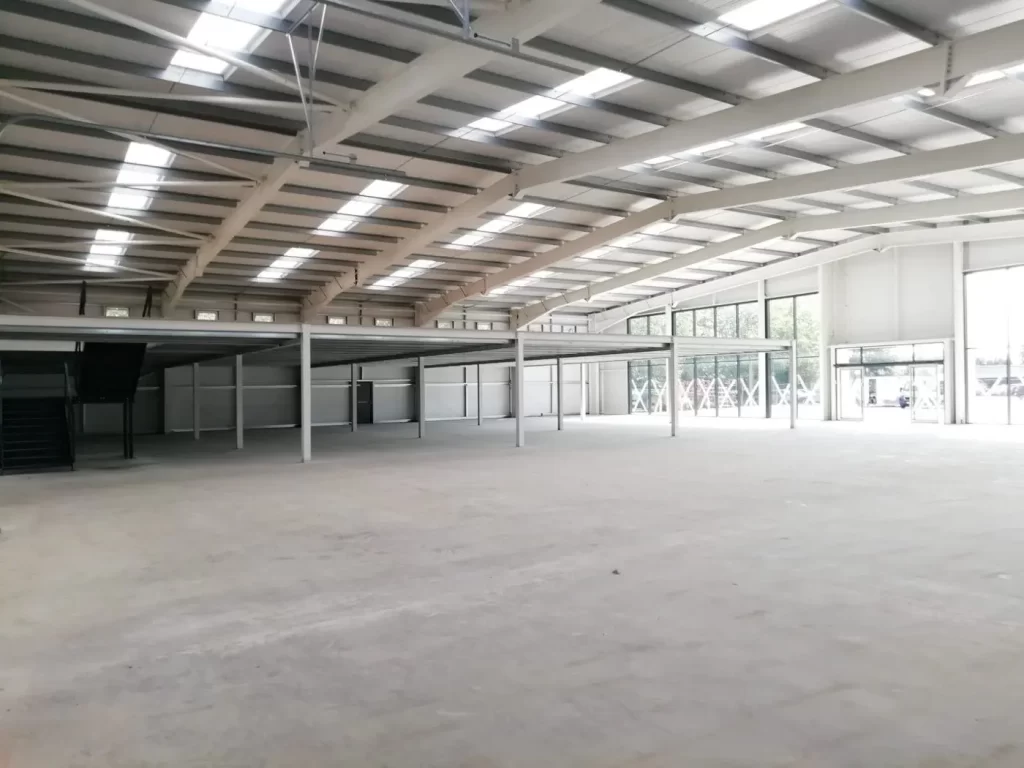
A mezzanine floor is an intermediate floor built between the ground floor and the ceiling of a building. It creates additional floor space by adding another level inside an existing space, giving you more room for storage, offices, production, staff areas or access platforms without having to extend the building.
For businesses with premises that have high ceilings, growing stock levels or crowded industrial operations, a mezzanine floor can be a practical way to create additional floor space without the cost and disruption of relocating.
They’re generally constructed from steel and supported by columns, beams and decking. In many cases, it is a free standing system, meaning it does not rely on the surrounding walls for support.
The benefit of a mezzanine floor is simple, it helps you make better use of the building you already have.
How Do Mezzanine Floor Systems Work?
Mezzanine floor systems work by adding a separate structural level inside the building. The floor is designed around the existing space, available height, intended usage and the weight it needs to support.
A typical mezzanine floor system includes:
- Steel columns
- Primary and secondary beams
- Floor decking
- Stairs or staircases
- Handrails and railing
- Safety gates
- Edge protection
- Fire protection where required
- Access routes
- Lighting and service adjustments if needed
The upper mezzanine level can be used for storage, offices, stock handling or production, while the space below can remain in use for machinery, packing benches, vehicle access or additional storage.
For example, a warehouse might use the ground floor for dispatch and the mezzanine level for slower-moving stock. A manufacturing company might use the upper level for components while keeping machinery below. A retail business may use a mezzanine floor for offices, stockrooms or extra customer-facing space.
What Is A Steel Mezzanine Floor Used For?
A steel mezzanine floor is often used when more space is needed in a premises, and when strength, flexibility and long term performance matter. Steel works well because it can be designed to suit different loads, layouts, and working environments.
Warehouse Storage Space
Warehouses often use mezzanine floors to create additional storage without taking on another unit. This can help with pallet storage, spare parts, packaging, archived stock or seasonal goods.
If the warehouse has high ceilings, a mezzanine can increase space without changing the footprint of the building.
Offices and Staff Rooms
A mezzanine can also be used to create offices, meeting rooms, staff rooms or welfare facilities above the main working area. This keeps employees close to the operation while protecting valuable ground floor space.
This is often useful for businesses that need office space but do not want to lose storage or production capacity.
Manufacturing and Industrial Operations
In manufacturing facilities, industrial mezzanines can support tools, parts, equipment, stock control areas or quality inspection space.
For industrial operations, the intended use of the mezzanine is especially important. A floor used for light storage will not need the same design as one used for heavy equipment, machinery access or frequent pallet movement.
Retail and Commercial Buildings
Retail mezzanine floors are often used for extra display space, fitting rooms, stockrooms or offices. In commercial buildings, the design may need to consider customer access, fire escape routes, visibility, handrails and finished appearance.
How Much Does a Mezzanine Floor Cost?
The cost of a mezzanine floor depends on the size, design, load rating, access requirements and how the floor will be used.
The main factors that affect mezzanine floor cost include:
- Total floor area
- Height of the mezzanine
- Required load capacity
- Number of columns
- Type of decking
- Stairs and staircases
- Handrails and railing
- Pallet gates or access gates
- Fire protection
- Building control requirements
- Site access
- Installation time
- Any changes to lighting, alarms or sprinklers
If you are asking how much does a mezzanine floor cost, the best starting point is a site survey. That allows the design team to understand the building, intended use and specific requirements before giving a realistic figure.
Do Mezzanine Floors Need Planning Permission?
In most cases, a mezzanine floor installed inside an existing building may not need planning permission, especially if it does not change the outside of the building or alter the main use of the premises.
However, building regulations approval is usually required.
Planning permission may be needed if:
- The external structure is affected
- The building use changes
- The mezzanine creates retail floor space above certain limits
- The building has existing planning restrictions
- Parking, access or escape routes are affected
Building regulations usually look at structural safety, fire safety, access, guarding, staircases and escape routes.
What Minimum Height Do You Need for a Mezzanine Floor?
The minimum height depends on what the mezzanine will be used for and what needs to happen above and below it.
A storage platform may have different height requirements from an office, staff room or production area where people need comfortable headroom. You also need to think about the space below the mezzanine.
For storage, the height requirements may be different from an office or staff area where people need comfortable headroom. You also need to consider:
- Clear height above the mezzanine
- Working height below the mezzanine
- Lighting and services
- Sprinklers or fire systems
- Access routes
- Forklift or pallet movement
- Machinery clearance
- Safe escape routes
A mezzanine floor can be a good fit for buildings with high ceilings, but not every building will suit one. If the extra level leaves both areas cramped, the layout may need rethinking.
What Should You Consider Before Installing a Mezzanine Floor?
Before installing a mezzanine floor, it’s important to consider the practical details regarding the build. It’s a good idea to ask yourself:
- What will the mezzanine be used for?
- How much weight does it need to hold?
- Will people, stock or machinery use the space?
- Where should the stairs be placed?
- Do you need pallet gates or access gates?
- Will the ground floor still work properly?
- Will lighting or alarms need moving?
- Is fire protection required?
- Could the mezzanine be extended in future?
- Will the layout suit the business in two or three years?
A mezzanine floor should be planned around intended use first. Once that is clear, the structure, cost and installation process can be designed properly.
Is a Mezzanine Floor the Right Way to Create More Space?
A mezzanine floor can be a practical way to create additional space inside a warehouse, factory, workshop, retail unit or commercial building.
It uses the height you already have, adds an additional level, and can help your business avoid the cost and disruption of moving premises. The best results come when the mezzanine is planned around the building, the people using it and the work being carried out.
If your building has enough height and your business needs more space, a steel mezzanine floor may be worth looking at.
To find out whether your site would suit a mezzanine floor, speak to Springfield Steel Buildings. You can request a free project quote from Springfield Steel Buildings</a> and get practical advice based on your building, space and intended use.
Mezzanine Floor FAQs
Can a mezzanine floor be removed?
Yes, many mezzanine floors can be dismantled, depending on how they were designed and installed. Some systems can also be relocated, although this should always be checked before assuming the structure can be reused elsewhere.
Can a mezzanine floor be extended?
In some cases, yes. If future expansion is likely, it should be discussed during the first design stage. The original mezzanine structure may need to be designed with later extension in mind.
Is a mezzanine floor classed as a second floor?
A mezzanine floor is usually described as an intermediate floor rather than a full second floor. However, the way it is treated for regulations, access and fire safety depends on the building, use and design.
How long does mezzanine floor installation take?
Yes, offices can be installed on a mezzanine floor, provided the structure is designed for that intended use. Office mezzanines may need suitable access, fire protection, lighting, ventilation, partitions and welfare considerations.